Assisted Living vs Memory Care: What Every Family Must Learn About Senior Care Options
Business Name: BeeHive Homes of St George Snow Canyon
Address: 1542 W 1170 N, St. George, UT 84770
Phone: (435) 525-2183
BeeHive Homes of St George Snow Canyon
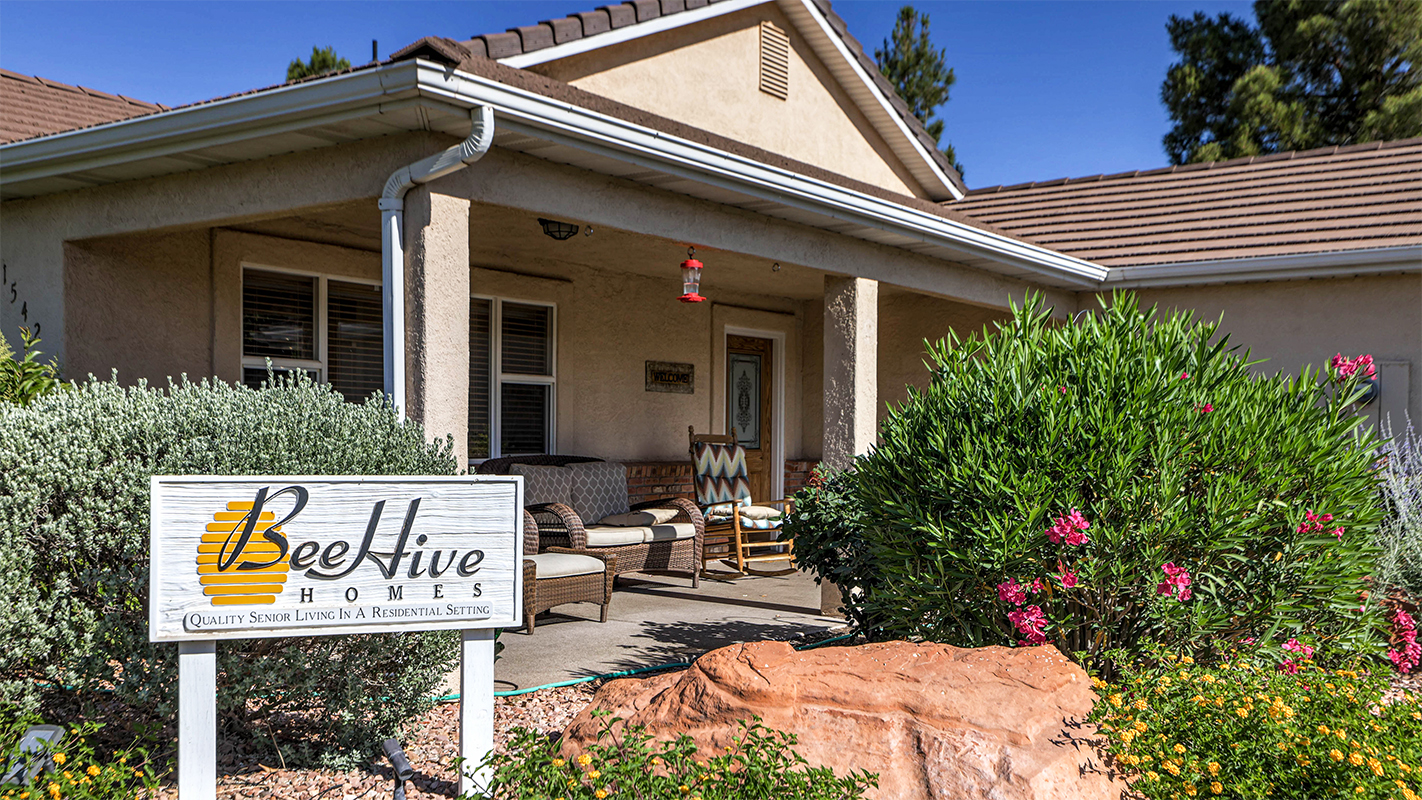
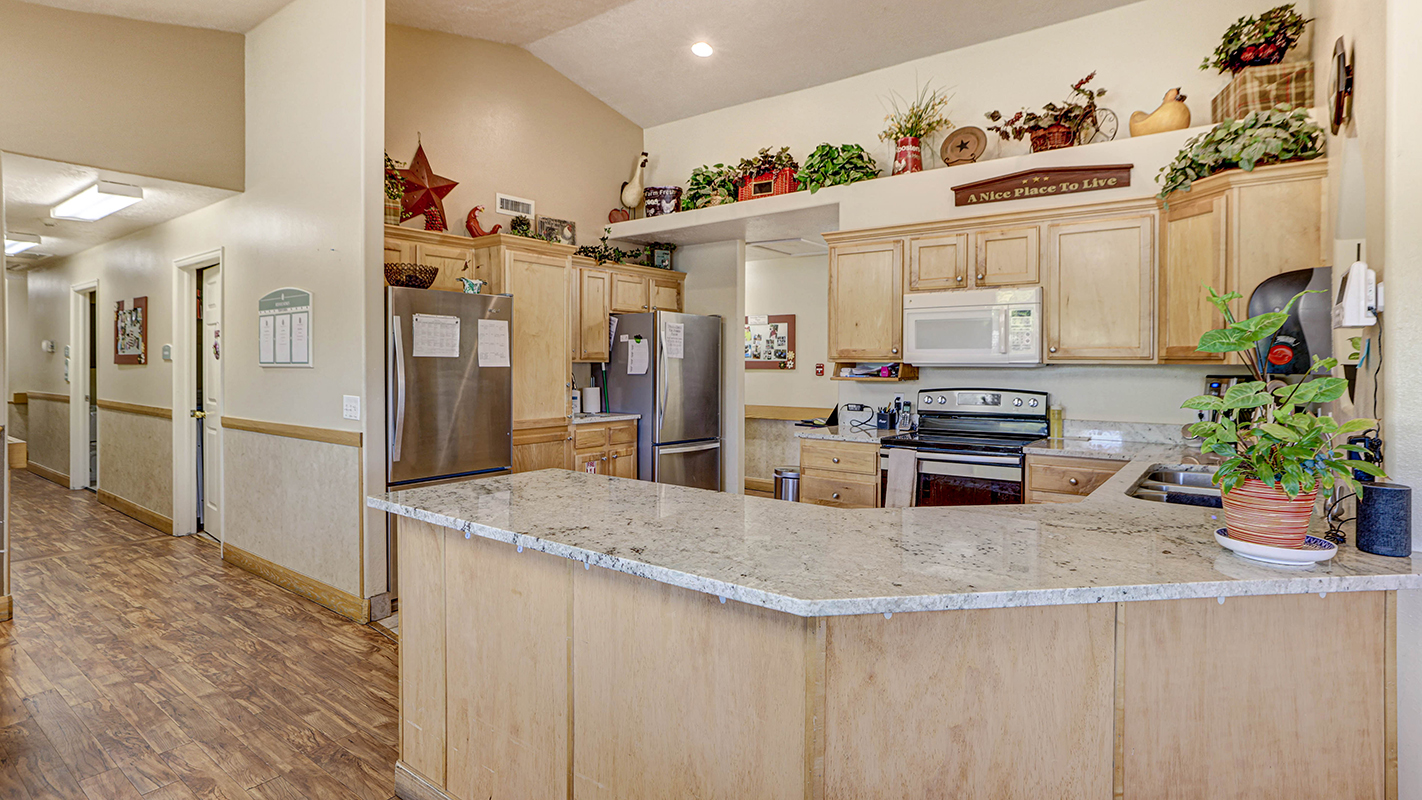
Located across the street from our Memory Care home, this level one facility is licensed for 13 residents. The more active residents enjoy the fact that the home is located near one of the popular community walking trails and is just a half block from a community park. The charming and cozy decor provide a homelike environment and there is usually something good cooking in the kitchen.
1542 W 1170 N, St. George, UT 84770
Business Hours
Families usually do not start investigating senior care due to the fact that they have extra time on their hands. Something has actually changed. A parent left the stove on. A partner wandered outdoors and might not keep in mind the way home. Medications are getting blended. Or a caregiver at home is merely exhausted.
That is often when the same set of terms appear on every search engine result and sales brochure: assisted living and memory care. They sound similar. They sometimes even sit on the exact same school. Yet they serve very different requirements, with very different environments, costs, and expectations for family involvement.
I have sat at the table with adult kids who felt massive regret handing over a loved one's care. I have actually also talked with partners who waited too long, and got here desperate and burned out. The distinctions in between assisted living and memory care matter, not just for safety and quality of life, however for maintaining household relationships.
This guide unpacks those differences in useful, real‑world terms so you can decide that fits your family, not simply a brochure.
What assisted living actually offers
Assisted living is developed for older grownups who are primarily independent, however need aid with some daily tasks. Think about someone who can continue a discussion, take pleasure in social activities, and make basic choices, yet fights with cooking, housekeeping, bathing securely, or keeping track of numerous medications.
Typical citizens may be in their late seventies to mid‑eighties, though age alone is a poor predictor. I have seen sharp 95‑year‑olds prosper in assisted living, and 72‑year‑olds for whom it was already the incorrect setting due to cognitive decline.
At its finest, assisted living offers a mix of privacy, support, and built‑in neighborhood. Locals typically have their own apartment or space, often with a private bathroom and kitchen space. Staff check in, offer suggestions, assist with dressing or showering, and supply meals, activities, and transport. The goal is to support independence, not change it.
From a regulative viewpoint, assisted living is not a medical model. Staff might consist of nursing support, however the day‑to‑day care is provided mainly by aides or resident assistants. Licensed nursing staff might exist only part of the day, depending upon the state. That matters when a resident's health changes unexpectedly, or when memory problems progress.
Families often assume that once a loved one remains in assisted living, the community can change indefinitely as needs increase. In reality, there is a ceiling. As cognitive disability or medical intricacy worsens, assisted living frequently ends up being a poor fit, and sometimes unsafe.
How memory care varies in practice
Memory care is designed particularly for people with Alzheimer's illness, vascular dementia, Lewy body dementia, and other forms of considerable cognitive problems. While assisted living centers on physical assistance, memory care wraps every part of the day in structure and support customized to amnesia and confusion.
Here are the core useful distinctions most households notice when they stroll into an excellent memory care unit:
- Security and layout: Memory care is typically in a safe environment, with controlled exits, confined outdoor spaces, and hallways designed to minimize confusion. Doors may have alarms, and roaming patterns are anticipated instead of seen as misbehavior.
- Staff training and ratios: Staff in memory care generally get more extensive training in dementia, behavior modifications, and communication techniques. Ratios of personnel to locals are frequently higher, especially at nights and overnight.
- Daily rhythm: Activities are more structured, repetitive, and sensory oriented. There is less concentrate on intricate group programs and more on smaller sized, routine‑based interactions that feel familiar and calming.
- Care expectations: Help with all activities of daily living is common. Cueing, hands‑on help, and one‑to‑one interventions belong to everyday life, not exceptions.
Families often resist memory care since of the word "locked." It can feel severe, or like a loss of liberty. Yet, for somebody who no longer comprehends traffic, complete strangers, or ranges, a guaranteed environment is really what enables safe flexibility. Locals can move about, explore, and in some cases even garden, without the consistent threat of elopement.
The other significant distinction is behavioral support. Assisted living neighborhoods typically struggle with residents who have actually increased agitation, sundowning, resistance to care, or deceptions. Memory care groups, at their finest, expect these behaviors, change the environment, and utilize non‑pharmacological tools alongside medications to keep locals comfortable and safe.
Where assisted living and memory care overlap
Not every circumstance is clear cut. Assisted living and memory care rest on a continuum of senior care, and lots of communities provide both. It helps to comprehend the overlapping locations, so you can identify when a line has been crossed.
Both settings are residential senior care choices that provide meals, help with activities of daily living, housekeeping, and social engagement. Both normally manage fundamental medication management and coordinate with outside medical providers. Both use month-to-month charges, typically tiered based on level of care.
Some assisted living communities market a "memory support" or "cognitive care" program within the broader structure. The quality of these programs differs commonly. In some cases, it indicates a dedicated, protected wing and staff with extra training, very comparable to stand‑alone memory care. In others, it just implies additional activities or a couple of customized personnel without environmental changes.
Families need to look beyond labels. A resident with extremely mild memory loss who needs simple pointers might do fine in assisted living for years. A resident with rapid development, wandering, or habits changes might require memory care from the start.
The overlap likewise appears in shifts. Numerous homeowners start in assisted living and later relocate to memory care in the very same community. That can lower interruption if the school handles shifts well. However, even when the address stays the very same, the expectations, routines, and expenses often change significantly.
Key concerns to help you choose
When I sit with families, I hardly ever begin by listing services or square footage. I begin with what life presently looks like, and where the stress points are. Several patterns reliably signal which environment is more appropriate.
Assisted living may be suitable if your loved one:
- Can typically find their way around familiar spaces, recognize family, and comprehend where they live, even if they duplicate questions or lose items.
- Needs pointers and some physical assistance, however will accept help without major resistance, anger, or fear.
- Can securely be left alone for brief periods in your home, with very little danger of wandering, leaving your home at night, or communicating unsafely with strangers.
Memory care generally makes more sense if your loved one:
- Has wandered outside, gotten lost, or needed authorities or next-door neighbors to assist them home.
- Is up and moving at night, opening doors, or searching through cabinets without comprehending risk.
- Has significant trouble handling individual health, dressing properly for weather, or acknowledging when they are starving, thirsty, or in pain.
- Shows paranoia, regular hostility, or strong resistance when household attempts to help with bathing, medications, or toileting.
There is also the concern of the primary caregiver's health and capability. A frail partner can not securely manage high falls threat, strong agitation, or constant nighttime monitoring, even if the person with dementia is emotionally not prepared to leave home. Disregarding caretaker burnout is one of the greatest mistakes I see.
A better take a look at security and supervision
Safety tends to be the dividing line in between settings. Assisted living is appropriate when supervision can be intermittent and light. Personnel look at locals, escort them to meals, and respond when the call bell rings. Homeowners may be complimentary to come and opt for household, often with their own automobile if they are still driving and pass any required assessments.
In memory care, supervision is continuous. Staff exist and moving through the area, preparing for requirements. They find out each resident's patterns, such as who likes to rate, who sundowns, who attempts door manages, and who gets anxious in noise. The environment is constructed around fall avoidance, reduced overstimulation, and clear visual cues.
Fire security and emergency reaction also differ. In lots of assisted living neighborhoods, citizens are expected to follow fundamental directions during an emergency. In memory care, drills and treatments account for homeowners who can not understand directions or who may try to flee in the wrong direction.
Medication security is another angle. In assisted living, a resident with only mild memory problems might self‑administer medications with oversight and periodic reminders. In memory care, staff typically handle every dose. That shift alone can prevent avoided medications, double dosing, or harmful combining with alcohol.
Families in some cases underestimate how quickly a benign scenario can end up being critical. A resident who forgets a walker "just this as soon as" and falls on a tough flooring may end up in the hospital, then knowledgeable nursing, and decrease rapidly from there. Choosing a setting that reasonably matches present and near‑future requirements is a form of avoidance, not overreaction.
Quality of life, not just safety
Safety precedes, however it is not the whole story. I have actually seen individuals positioned in a greater level of care than they required, and the main casualty was lifestyle. A cognitively sharp older adult stuck in a memory care unit will feel out of location and frequently depressed. Somebody with mid‑stage dementia placed in a busy, socially oriented assisted living can end up being anxious and withdrawn.
The ideal environment must provide your loved one room to be successful. In assisted living, that might imply:
Residents who can still handle these activities with modest support tend to thrive socially. They still see themselves as independent grownups, not patients.
Memory care moves the focus from self-reliance to emotional comfort and connection. Success looks different. A good memory care day may involve:
Residents here are not being "kept busy" for its own sake. The goal is to lower stress and anxiety and distress, prevent monotony that can lead to behaviors, and maintain a sense of self through familiar patterns.
Family participation becomes part of this. In assisted living, visits may focus around getaways, shared meals, or aiding with errands. In memory care, visits might be shorter however more sensory and emotional, such as looking at image albums, listening to preferred music, or holding hands during a quiet afternoon.
How respite care suits the decision
Respite care is short‑term care in a senior living setting, typically ranging from a couple of days to numerous weeks. It can be provided in assisted living or memory care, depending on the person's requirements. For numerous households, it becomes both a lifeline and a way to "test‑drive" a setting.
Imagine an adult child caring for her father with moderate dementia at home. She has not had an uninterrupted night's sleep in months. He is roaming more. She knows he likely requirements memory care, but he insists he is great. Setting up a 2‑week respite remain in a memory care unit can serve multiple functions: offering her rest, letting him experience the setting, and allowing experts to observe and give feedback.
Respite stays make sense in numerous situations:
Caregivers must not see respite care as failure or abandonment. Utilized carefully, it extends the time an individual can safely remain at home. It also gives families a practical view of what round‑the‑clock support looks like, long before a crisis forces a permanent move.
When checking out respite, ask if the terms, prices, and home will be comparable for long‑term citizens. A respite experience that feels considerably better or worse than normal life in the neighborhood will not assist you make a reliable decision.
Cost, contracts, and monetary trade‑offs
Cost is hardly ever the first thing households wish to discuss, but it shapes what is possible. Memory care is normally more pricey than assisted living, sometimes by a couple of thousand dollars monthly, since of higher staffing requirements and specialized programming.
Most assisted living and memory care communities charge a base month-to-month fee, plus level‑of‑care charges based upon needs such as aid with bathing, transfers, or incontinence care. For memory care, the greater level of hands‑on support is often assumed, so pricing structures can differ.
Insurance coverage is restricted. Traditional Medicare does not pay space and board in assisted living or memory care. It may spend for medical services provided there, such as physical therapy or nursing visits. Long‑term care insurance coverage can help, but policies vary, and not all cover memory care explicitly.

Families often be reluctant to move to memory care due to the fact that of expense, hoping to "get by" longer in assisted living or in the house. The surprise cost is caregiver health, lost work earnings, and the increased threat of accidents that lead to hospitalization and more expensive care overall.
On the flip side, putting somebody too early into a highly specialized environment can deplete savings much faster. That matters if your loved one is younger or has a slowly advancing condition, and may face a long trajectory of elderly care needs.
A careful monetary evaluation, ideally with a specialist who understands senior care, can assist stabilize the dangers. Ask neighborhoods for practical estimates of how costs might alter over the next one to 3 years as requirements increase. Do not depend on the most affordable quoted tier if everyone concurs your loved one's requirements are currently much higher.
How to veterinarian a neighborhood beyond the brochure
One of the most valuable exercises a household can do is compare 2 or 3 communities side by side, in person, at various times of day. Lots of locations look polished during a mid‑morning tour. The genuine test is how they work at 7 p.m. When locals are exhausted and staffing is thinner.
Consider this brief list of what to search for and ask:
- Observe personnel interactions: Do staff talk with citizens at eye level, utilize their names, and react calmly to confusion or agitation?
- Look for real engagement: Are homeowners doing activities that match their abilities, or simply relaxing a TV?
- Ask about staffing patterns: The number of staff are on throughout days, evenings, and nights, and what is their training in dementia and elderly care?
- Clarify medical support: Who handles medications, what occurs if a resident's condition aggravates all of a sudden, and how are hospitalizations handled?
- Understand discharge requirements: Under what circumstances would your loved one be asked to relocate to a higher level of care or another facility?
If possible, talk independently with existing families, not just the marketing group. Ask what amazed them after move‑in, what the neighborhood succeeds, and where they have a hard time. Every place has weak points. You desire transparency and a determination to problem solve.
Pay attention, too, to how staff discuss locals when they believe you are not listening. Language that sounds dismissive or restless is a red flag for how they will treat your loved one on a difficult day.
Planning for progression and transition
Dementia is a progressive condition. Even when signs plateau for a while, they ultimately aggravate. Preparation for that development can reduce the number of disruptive moves your loved one experiences.
If your relative is going into assisted living with moderate cognitive impairment or early dementia, ask clearly how the neighborhood manages development. Some have the ability to support homeowners safely through moderate stages with added services. Others will require a relocate to memory care when roaming, incontinence, or behavior modifications appear.
A perfect scenario, when financial resources enable, is a school that offers independent living, assisted living, memory care, and sometimes skilled nursing, all under one umbrella. That does not immediately ensure quality, but it does make transitions logistically simpler and less traumatic.
Transitions themselves require attention. Moving an individual with dementia from one environment to another can briefly get worse confusion and behaviors. A thoughtful community will:
You can assist by bringing beehivehomes.com elder care familiar items, preserving checking out regimens, and collaborating with personnel on your loved one's life story, comfort items, and known triggers. The more they know, the much better they can personalize care.
Balancing head and heart
Choosing in between assisted living and memory care is as much an emotional choice as a scientific one. Families wrestle with guilt, worry, old guarantees, and sometimes dispute among brother or sisters. The person at the center of the decision might insist they do not need any assistance at all.
Facts still matter. Safety incidents, caregiver fatigue, weight-loss, repeated medication errors, or increasing aggression are information points, not just "bad days." Similarly, a resident who is prospering in assisted living with strong support does not require to be rushed into memory care just because of a medical diagnosis on paper.
As you weigh options, remember the underlying objective of any form of senior care: to provide your loved one the very best possible lifestyle, with dignity, and to offer relative a sustainable way to remain household, not simply full‑time caretakers. For numerous, that means assisted living for a season, then memory care when the time is right. For others, memory care is the most safe and kindest first step.
The most effective choices I have actually seen originated from families who ask uneasy concerns early, utilize respite care tactically, stay realistic about progression, and select partners in care who communicate truthfully, especially when things get hard.
BeeHive Homes of St George Snow Canyon provides assisted living care
BeeHive Homes of St George Snow Canyon provides memory care services
BeeHive Homes of St George Snow Canyon provides respite care services
BeeHive Homes of St George Snow Canyon offers 24-hour support from professional caregivers
BeeHive Homes of St George Snow Canyon offers private bedrooms with private bathrooms
BeeHive Homes of St George Snow Canyon provides medication monitoring and documentation
BeeHive Homes of St George Snow Canyon serves dietitian-approved meals
BeeHive Homes of St George Snow Canyon provides housekeeping services
BeeHive Homes of St George Snow Canyon provides laundry services
BeeHive Homes of St George Snow Canyon offers community dining and social engagement activities
BeeHive Homes of St George Snow Canyon features life enrichment activities
BeeHive Homes of St George Snow Canyon supports personal care assistance during meals and daily routines
BeeHive Homes of St George Snow Canyon promotes frequent physical and mental exercise opportunities
BeeHive Homes of St George Snow Canyon provides a home-like residential enviroMOent
BeeHive Homes of St George Snow Canyon creates customized care plans as residents’ needs change
BeeHive Homes of St George Snow Canyon assesses individual resident care needs
BeeHive Homes of St George Snow Canyon accepts private pay and long-term care insurance
BeeHive Homes of St George Snow Canyon assists qualified veterans with Aid and Attendance benefits
BeeHive Homes of St George Snow Canyon encourages meaningful resident-to-staff relationships
BeeHive Homes of St George Snow Canyon delivers compassionate, attentive senior care focused on dignity and comfort
BeeHive Homes of St George Snow Canyon has a phone number of (435) 525-2183
BeeHive Homes of St George Snow Canyon has an address of 1542 W 1170 N, St. George, UT 84770
BeeHive Homes of St George Snow Canyon has a website https://beehivehomes.com/locations/st-george-snow-canyon/
BeeHive Homes of St George Snow Canyon has Google Maps listing https://maps.app.goo.gl/uJrsa7GsE5G5yu3M6
BeeHive Homes of St George Snow Canyon has Facebook page https://www.facebook.com/Beehivehomessnowcanyon/
BeeHive Homes of St George Snow Canyon won Top Assisted Living Homes 2025
BeeHive Homes of St George Snow Canyon earned Best Customer Service Award 2024
BeeHive Homes of St George Snow Canyon placed 1st for Senior Living Communities 2025
People Also Ask about BeeHive Homes of St George Snow Canyon
How much does assisted living cost at BeeHive Homes of St. George, and what is included?
At BeeHive Homes of St. George – Snow Canyon, assisted living rates begin at $4,400 per month. Our Memory Care home offers shared rooms at $4,500 and private rooms at $5,000. All pricing is all-inclusive, covering home-cooked meals, snacks, utilities, DirecTV, medication management, biannual nursing assessments, and daily personal care. Families are only responsible for pharmacy bills, incontinence supplies, personal snacks or sodas, and transportation to medical appointments if needed.
Can residents stay in BeeHive Homes of St George Snow Canyon until the end of their life?
Yes. Many residents remain with us through the end of life, supported by local home health and hospice providers. While we are not a skilled nursing facility, our caregivers work closely with hospice to ensure each resident receives comfort, dignity, and compassionate care. Our goal is for residents to remain in the familiar surroundings of our Snow Canyon or Memory Care home, surrounded by staff and friends who have become family.
Does BeeHive Homes of St George Snow Canyon have a nurse on staff?
Our homes do not employ a full-time nurse on-site, but each has access to a consulting nurse who is available around the clock. Should additional medical care be needed, a physician may order home health or hospice services directly into our homes. This approach allows us to provide personalized support while ensuring residents always have access to medical expertise.
Do you accept Medicaid or state-funded programs?
Yes. BeeHive Homes of St. George participates in Utah’s New Choices Waiver Program and accepts the Aging Waiver for respite care. Both require prior authorization, and we are happy to guide families through the process.
Do we have couple’s rooms available?
Yes. Couples are welcome in our larger suites, which feature private full baths. This allows spouses to remain together while still receiving the daily support and care they need.
Where is BeeHive Homes of St George Snow Canyon located?
BeeHive Homes of St George Snow Canyon is conveniently located at 1542 W 1170 N, St. George, UT 84770. You can easily find directions on Google Maps or call at (435) 525-2183 Monday through Sunday 9:00am to 5:00pm
How can I contact BeeHive Homes of St George Snow Canyon?
You can contact BeeHive Homes of St George Snow Canyon by phone at: (435) 525-2183, visit their website at https://beehivehomes.com/locations/st-george-snow-canyon, or connect on social media via Facebook
Tonaquint Nature Center Tonaquint Nature Center offers quiet trails and wildlife viewing that support calming experiences for elderly care residents during assisted living, memory care, and respite care visits.